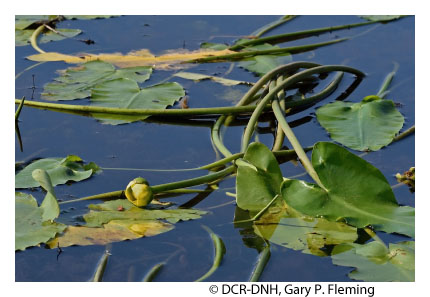
An introduction to the communities of Jamesland, including an overview of the community concept, can be found here. Use the links below to jump to the corresponding section in the Tidewater Province community list:
Drier Forests
Coastal Plain Oak-Heath Forest
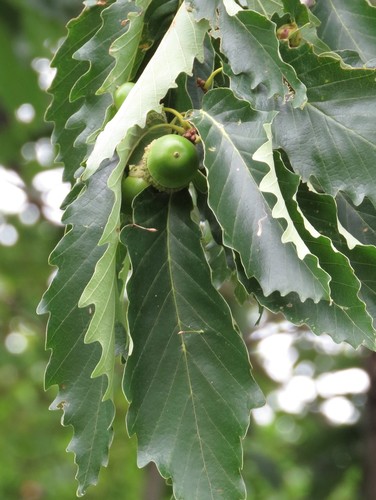
Status: globally apparently secure; apparently secure in Jamesland
Distribution: various dry, infertile uplands
Examples: many throughout region
Characteristic plants: chestnut, white, and southern red oaks (Quercus montana, Q. alba, Q. falcata), dangleberry (Gaylussacia frondosa)
Other plants: sand hickory (Carya pallida), loblolly pine (Pinus taeda), blackgum (Nyssa sylvatica), sassafras (Sassafras albidum), blueberries (Vaccinium spp.), eastern bracken fern (Pteridium aquilinum), wintergreen (Gaultheria procumbens), pink lady’s-slipper (Cypripedium acaule)
More info: VA DCR | NatureServe 1, 2
Coastal Plain Oak-Beech-Heath Forest
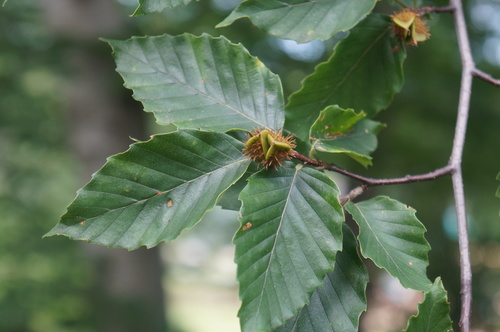
Status: globally apparently secure; vulnerable in Jamesland
Distribution: protected ravine slopes and bluffs over infertile soils
Examples: many throughout region
Characteristic plants: American beech (Fagus grandifolia), white, northern red, and/or chestnut oaks (Quercus alba, Q. rubra, Q. montana), mountain laurel (Kalmia latifolia)
Other plants: southern red and water oaks (Quercus falcata, Q. nigra), sourwood (Oxydendrum arboreum), blackgum (Nyssa sylvatica), red maple (Acer rubrum), American holly (Ilex opaca), common sweetleaf (Symplocos tinctoria)
More info: VA DCR | NatureServe
Coastal Plain Dry Calcareous Forest
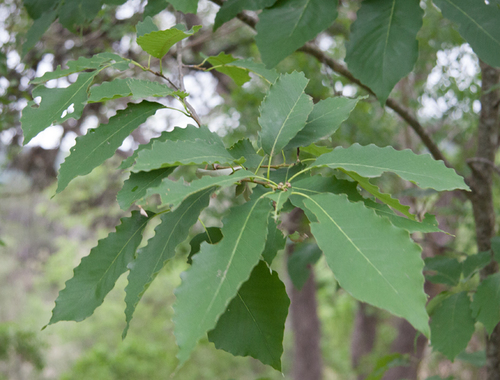
Status: globally critically imperiled; critically imperiled in Jamesland
Distribution: steep ravine slopes and bluffs where underlying shell deposits produce a basic, calcium-rich soil
Examples: along College Run, Chippokes State Park, Surry County; along Grove Creek, James City County
Characteristic plants: chinquapin oak (Quercus muehlenbergii), eastern redbud (Cercis canadensis)
Other plants: southern sugar maple (Acer floridanum), bitternut hickory (Carya cordiformis), American beech (Fagus grandifolia), white ash (Fraxinus americana), hackberries (Celtis occidentalis, C. laevigata), eastern red cedar (Juniperus virginiana), robin’s-plantain (Erigeron pulchellus), Bosc’s panic-grass (Dichanthelium boscii), wild columbine (Aquilegia canadensis)
More info: VA DCR | NatureServe
Mesic Forests
Coastal Plain Basic Mesic Forest
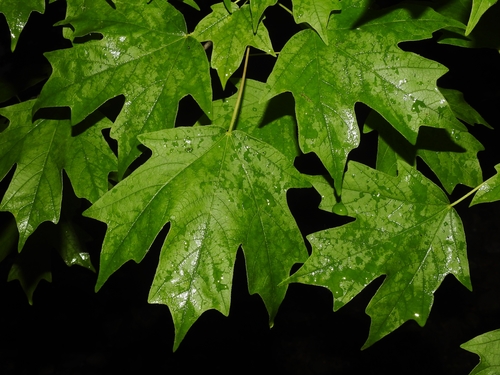
Status: globally apparently secure; vulnerable in Jamesland
Distribution: lower slopes of ravines and bluffs, over shell deposits and other base-rich rocks
Examples: along Grove Creek, James City County
Characteristic plants: tulip-tree (Liriodendron tulipifera), American beech (Fagus grandifolia), bitternut hickory (Carya cordiformis)
Other plants: chinquapin oak (Quercus muehlenbergii), southern sugar maple (Acer floridanum), pawpaw (Asimina triloba), spicebush (Lindera benzoin), mayapple (Podophyllum peltatum), bloodroot (Sanguinaria canadensis)
More info: VA DCR | NatureServe 1, 2
Coastal Plain Mesic Mixed Hardwood Forest
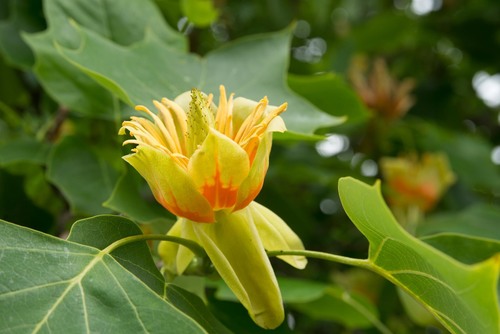
Status: globally secure; secure in Jamesland
Distribution: various sheltered uplands with ample moisture and relatively infertile soils
Examples: Chippokes State Park, Surry County
Characteristic plants: American beech (Fagus grandifolia), tulip-tree (Liriodendron tulipifera), white oak (Quercus alba)
Other plants: northern red, water, and swamp chestnut oaks (Quercus rubra, Q. nigra, Q. michauxii), American holly (Ilex opaca), silky camellia (Stewartia malacodendron), big-leaf snowbell (Styrax grandifolius), Christmas fern (Polystichum acrostichoides), blueberries (Vaccinium spp.), river cane (Arundinaria gigantea)
More info: VA DCR | NatureServe 1, 2
Maritime Pine-Hardwood Forest
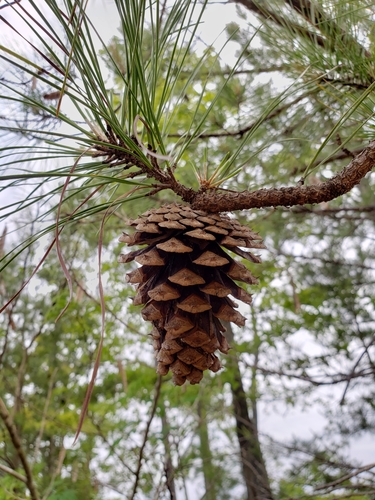
Status: globally imperiled; imperiled in Jamesland
Distribution: old sand dunes along estuarine stretches of the James River
Examples: Jamestown Island, James City County
Characteristic plants: loblolly pine (Pinus taeda)
Other plants: black cherry (Prunus serotina), southern red oak (Quercus falcata), wax myrtle (Morella cerifera), muscadine (Muscadinia rotundifolia)
More info: VA DCR | NatureServe
Woodlands and Savannas
Longleaf Pine Woodland/Savanna
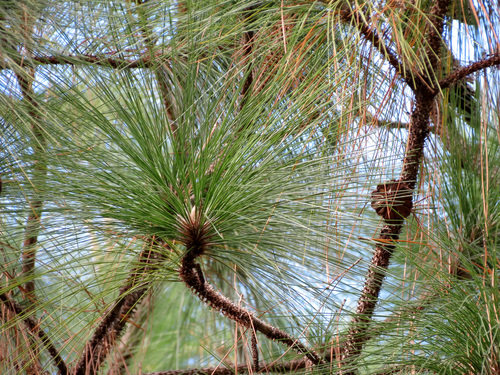
Status: globally critically imperiled; extirpated from Jamesland
Distribution: thought to have been the most prevalent upland community on the Coastal Plain from the James southward at the time of European settlement. Longleaf pine is highly adapted to fire and dominated vast areas of the Southeast where frequent growing-season lightning strikes and low relief caused a regime of low-intensity surface fires annually or every few years. Eliminated from Jamesland due to fire suppression, exploitation for naval stores, and herbivory by introduced hogs.
Examples: currently, longleaf woodlands reach their northernmost extent in far southern Virginia (just south of Jamesland, e.g. at Piney Grove Preserve and Blackwater Ecological Preserve). However, restoration efforts are underway at James River National Wildlife Refuge in Prince George County.
Characteristic plants: longleaf pine (Pinus palustris)
Other plants: loblolly and pond pines (Pinus taeda, P. serotina), turkey, southern red, water, and sand post oaks (Quercus laevis, Q. falcata, Q. nigra, Q. margarettae), sheep laurel (Kalmia angustifolia), dangleberry (Gaylussacia frondosa), inkberry (Ilex glabra), southern bracken fern (Pteridium aquilinum ssp. pseudocaudatum)
More info: VA DCR | NatureServe
Coastal Plain Sandy Terrace Woodland
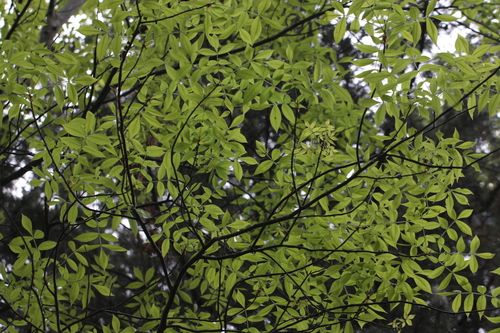
Status: globally unknown; critically imperiled in Jamesland
Distribution: dry, sandy, high terraces along a select few rivers
Examples: along the Chickahominy River at Game Farm Marsh State Wildlife Management Area, New Kent County
Characteristic plants: sand hickory (Carya pallida), sand post oak (Quercus margarettae), farkleberry (Vaccinium arboreum)
Other plants: southern red oak (Quercus falcata), common sweetleaf (Symplocos tinctoria), American holly (Ilex opaca), butterfly pea (Clitoria mariana), sandhill goldenrod (Solidago tarda), prickly-pear (Opuntia humifusa)
More info: VA DCR | NatureServe
Forested Wetlands
Cypress-Tupelo Floodplain Swamp
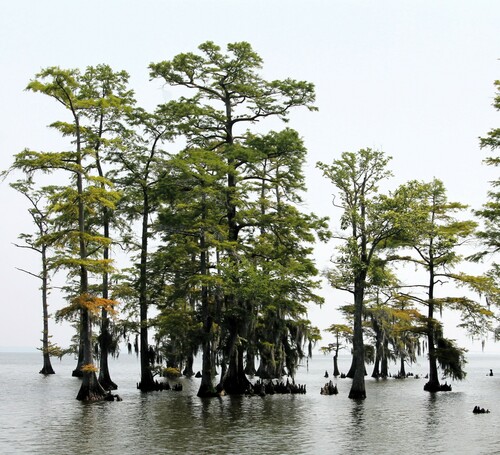
Status: globally secure; apparently secure in Jamesland
Distribution: poorly drained river backswamps that are deeply flooded for extended periods
Examples: Carbell Swamp, Isle of Wight County; along Chickahominy River at Crawford State Forest and Game Farm Marsh State Wildlife Management Area, New Kent County
Characteristic plants: baldcypress (Taxodium distichum), water tupelo (Nyssa aquatica) [on mineral soils along larger “brownwater” rivers], swamp tupelo (Nyssa biflora) [on organic soils along small “blackwater” streams]
Other plants: Carolina ash (Fraxinus caroliniana), lizard’s-tail (Saururus cernuus), Virginia sweetspire (Itea virginica), sweet pepperbush (Clethra alnifolia)
More info: VA DCR | NatureServe 1, 2, 3
Coastal Plain Maple-Ash Floodplain Swamp
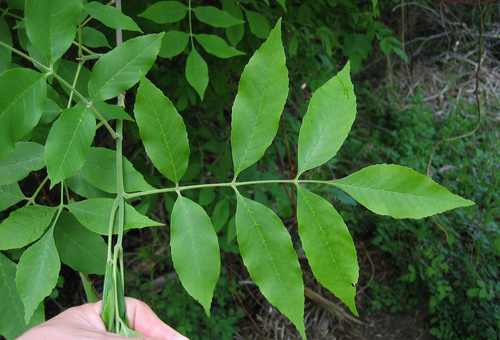
Status: globally vulnerable; vulnerable in Jamesland
Distribution: poorly drained, seasonally to semipermanently flooded river backswamps, often on more base-rich soils
Examples: along Chickahominy River in Richmond National Battlefield Park, Henrico County
Characteristic plants: green ash (Fraxinus pennsylvanica), red maple (Acer rubrum), lizard’s tail (Saururus cernuus)
Other plants: silver maple (Acer saccharinum), American elm (Ulmus americana), false nettle (Boehmeria cylindrica), common wood reedgrass (Cinna arundinacea), eastern mannagrass (Glyceria septentrionalis), swamp dock (Rumex verticillatus), Virginia blue flag (Iris virginica)
More info: VA DCR | NatureServe 1, 2
Coastal Plain Mixed Oak Floodplain Swamp
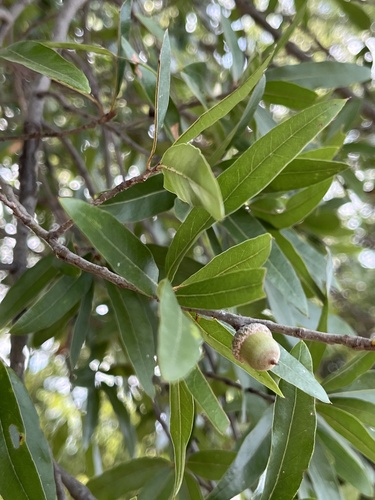
Status: globally vulnerable; vulnerable in Jamesland
Distribution: poorly drained, seasonally flooded river backswamps, often on more acidic soils
Examples:
Characteristic plants: willow oak (Quercus phellos)
Other plants: pin, overcup, and swamp chestnut oaks (Quercus palustris, Q. lyrata, Q. michauxii), sweetgum (Liquidambar styraciflua), deciduous holly (Ilex decidua), sedges (Carex spp.)
More info: VA DCR | NatureServe 1, 2
Tidal Hardwood Swamp
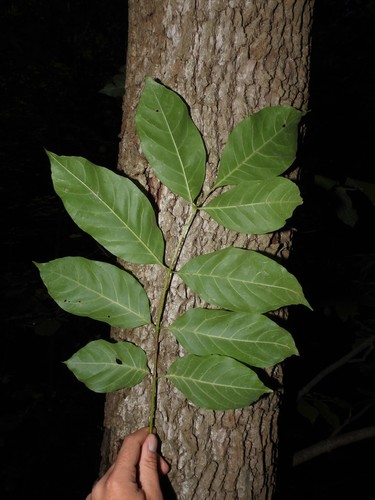
Status: globally vulnerable; vulnerable in Jamesland
Distribution: bottomlands along upper estuarine stretches of rivers, with mostly fresh water but receiving daily or irregular tidal flooding
Examples: along the Appomattox River at Fort Clifton Park, City of Colonial Heights; along lower Swift Creek, Chesterfield County; VCU Rice Center, Charles City County; at the mouth of Grove Creek, James City County; France Swamp, James City County
Characteristic plants: pumpkin ash (Fraxinus profunda), swamp tupelo (Nyssa biflora)
Other plants: winterberry (Ilex verticillata), smooth alder (Alnus serrulata), southern wild raisin (Viburnum nudum), wax myrtle (Morella cerifera), fetterbush (Eubotrys racemosus), spicebush (Lindera benzoin), sweetbay magnolia (Magnolia virginiana), swamp rose (Rosa palustris), silky dogwood (Cornus amomum), halberd-leaf tearthumb (Persicaria arifolia), arrow-arum (Peltandra virginica), wild rice (Zizania aquatica)
More info: VA DCR | NatureServe
Tidal Cypress Swamp
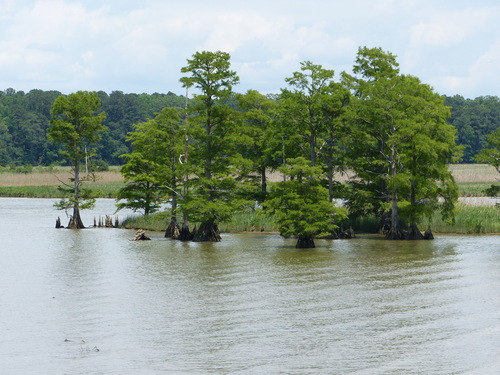
Status: globally vulnerable; imperiled in Jamesland
Distribution: along upper estuarine stretches of rivers, with mostly fresh water but receiving daily or irregular tidal flooding; often forming a band between riverside marsh and upland
Examples: best developed along lower Chickahominy River, James City and Charles City counties. Some examples along James River
Characteristic plants: baldcypress (Taxodium distichum), swamp tupelo (Nyssa biflora)
Other plants: pumpkin ash (Fraxinus profunda), American hornbeam (Carpinus caroliniana), sweetbay magnolia (Magnolia virginiana), shoreline sedge (Carex hyalinolepis)
More info: VA DCR | NatureServe
Coastal Plain Depression Swamp
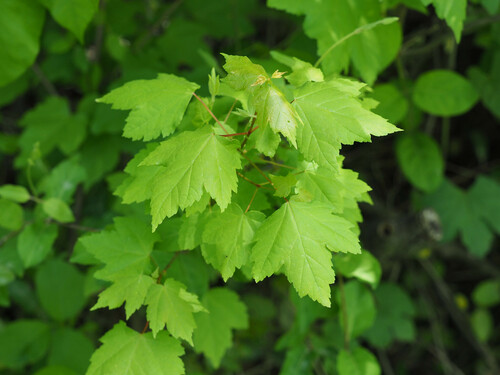
Status: globally vulnerable; imperiled in Jamesland
Distribution: seasonally flooded sinkhole depressions formed by dissolution of shell deposits
Examples: Berkeley Plantation, Charles City County; Grafton Ponds State Natural Area Preserve, York County; Newport News City Park
Characteristic plants: red maple (Acer rubrum), sweetgum (Liquidambar styraciflua), swamp tupelo (Nyssa biflora), willow and overcup oaks (Quercus phellos, Q. lyrata)
Other plants: bald cypress (Taxodium distichum), buttonbush (Cephalanthus occidentalis), fetterbush (Eubotrys racemosus), cypress-swamp sedge (Carex joorii), creeping rush (Juncus repens)
More info: VA DCR | NatureServe 1, 2, 3
Coastal Plain Wet Flatwoods
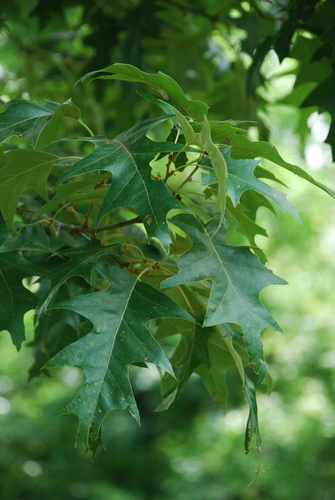
Status: globally imperiled; imperiled in Jamesland
Distribution: flat, frequently saturated, non-riverine terraces, especially on outer Coastal Plain
Examples: Game Farm Marsh State Wildlife Management Area, New Kent County; Great Dismal Swamp National Wildlife Refuge
Characteristic plants: swamp chestnut, cherrybark, willow, and laurel oaks (Quercus michauxii, Q. pagoda, Q. phellos, Q. laurifolia)
Other plants: American hornbeam (Carpinus caroliniana), switch cane (Arundinaria tecta), American holly (Ilex opaca), sweet pepperbush (Clethra alnifolia), coastal dog-hobble (Leucothoe axillaris); loblolly pine (Pinus taeda), sweetgum (Liquidambar styraciflua), and red maple (Acer rubrum) are common in disturbed examples
More info: VA DCR | NatureServe 1, 2
Cypress-Tupelo Non-Riverine Swamp
Status: globally imperiled; critically imperiled in Jamesland
Distribution: flat, poorly drained, seasonally flooded areas of organic (peat) soil, especially in the Great Dismal Swamp
Examples: Great Dismal Swamp National Wildlife Refuge
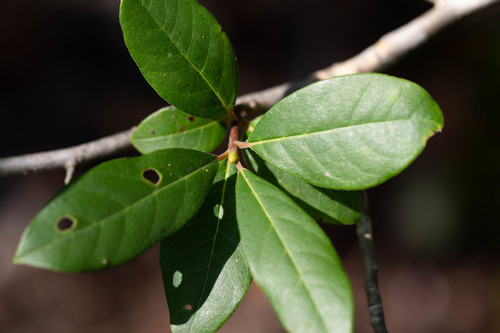
Characteristic plants: baldcypress (Taxodium distichum), swamp tupelo (Nyssa biflora), red maple (Acer rubrum)
Other plants: Red bay (Persea palustris), sweet pepperbush (Clethra alnifolia), poison ivy (Toxicodendron radicans), supplejack (Berchemia scandens), Virginia chain fern (Anchistea virginica)
More info: VA DCR | NatureServe
Coastal Plain Acidic Seepage Swamp
Status: globally vulnerable; vulnerable in Jamesland
Distribution: slopes saturated by emerging groundwater over acidic soils
Examples: along Western Run at Richmond National Battlefield Park (Malvern Hill Unit), Henrico County
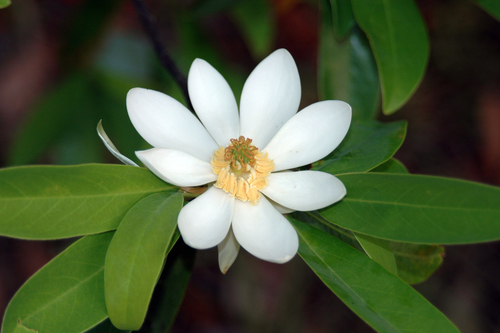
Characteristic plants: red maple (Acer rubrum), blackgum (Nyssa sylvatica), sweetbay magnolia (Magnolia virginiana)
Other plants: highbush blueberries (Vaccinium spp.), southern wild raisin (Viburnum nudum), cinnamon fern (Osmundastrum cinnamomeum), skunk cabbage (Symplocarpus foetidus)
More info: VA DCR | NatureServe
Coastal Plain Calcareous Seepage Swamp
Status: globally imperiled; imperiled in Jamesland
Distribution: lower slopes of ravines cutting into shell deposits, with groundwater discharge
Examples: along Grove Creek, James City County; along College Run at Chippokes State Park, Surry County
Characteristic plants: green ash (Fraxinus pennsylvanica), red maple (Acer rubrum)
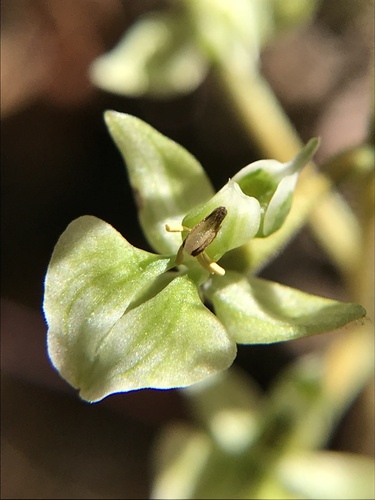
Other plants: tulip-tree (Liriodendron tulipifera), baldcypress (Taxodium distichum), stiff dogwood (Cornus foemina), golden ragwort (Packera aurea), blackfruit clearweed (Pilea fontana), smooth bur-marigold (Bidens laevis), shadow witch orchid (Ponthieva racemosa)
More info: VA DCR | NatureServe
Peatland White-cedar Swamp
Status: globally imperiled; extirpated from Jamesland (?)
Distribution: saturated flats over deep organic soils; historically dependent on a regime of infrequent, catastrophic fire
Examples: formerly more widespread in Great Dismal Swamp; only remaining examples are south & east of Jamesland
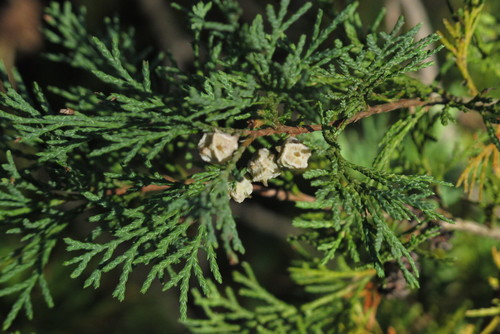
Characteristic plants: Atlantic white-cedar (Chamaecyparis thyoides)
Other plants: red bay (Persea palustris), big gallberry (Ilex coriacea), inkberry (Ilex glabra), shining fetterbush (Lyonia lucida), cinnamon fern (Osmundastrum cinnamomeum), peatmoss (Sphagnum spp.)
More info: VA DCR | NatureServe
Pocosin Woodland
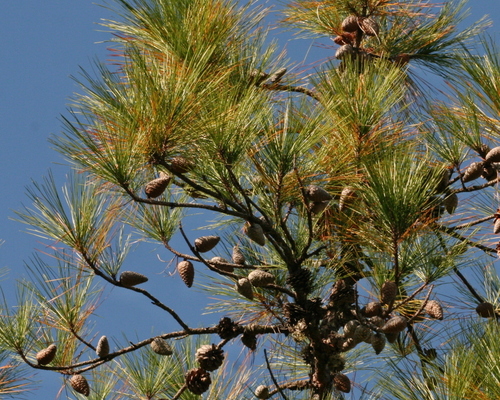
Status: globally imperiled; extirpated from Jamesland (?)
Distribution: saturated flats over deep organic soils; historically dependent on a regime of frequent fire
Examples: formerly more widespread in Great Dismal Swamp; only remaining examples are south & east of Jamesland
Characteristic plants: pond pine (Pinus serotina), shining fetterbush (Lyonia lucida), inkberry (Ilex glabra), Carolina laurel (Kalmia carolina), laurel-leaf greenbrier (Smilax laurifolia)
Other plants: red maple (Acer rubrum), sweetbay magnolia (Magnolia virginiana), red bay (Persea palustris), Virginia chain fern (Anchistea virginica)
More info: VA DCR | NatureServe
Herbaceous/Shrub Wetlands
Coastal Plain Seepage Bog
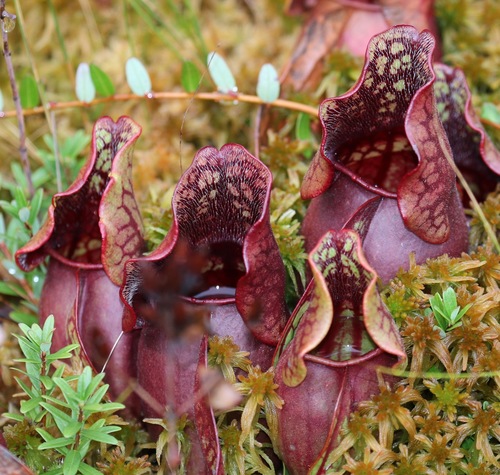
Status: globally critically imperiled; critically imperiled in Jamesland
Distribution: areas of seepage on gentle lower slopes, typically on acidic, infertile soils with clay layers forcing groundwater to the surface. On the presettlement landscape, fire helped to exclude woody vegetation from these communities
Examples: now limited to small, scattered remnants in powerline rights-of-way and other artifically maintained open habitats.
Characteristic plants: sweetbay (Magnolia virginiana var. virginiana), smooth alder (Alnus serrulata), bushy bluestem (Andropogon glomeratus), beakrushes (Rhynchospora spp.), peatmoss (Sphagnum spp.)
Other plants: poison sumac (Toxicodendron vernix), meadow-beauties (Rhexia spp.), sundews (Drosera spp.), yellow-eyed-grasses (Xyris spp.), vervain thoroughwort (Eupatorium pilosum), purple pitcher-plant (Sarracenia purpurea)
More info: VA DCR | NatureServe
Canebrake
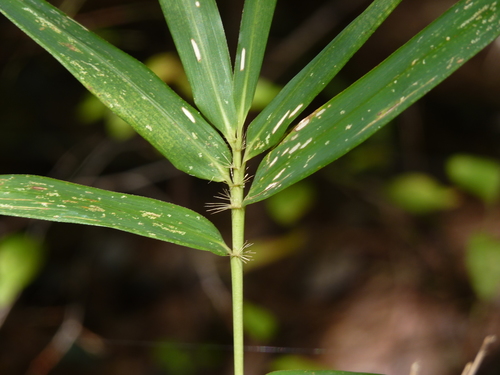
Status: globally critically imperiled; extirpated from Jamesland (?)
Distribution: saturated flats over deep organic soils; historically dependent on a regime of very frequent fire
Examples: formerly more widespread in Great Dismal Swamp; only remaining examples are south & east of Jamesland
Characteristic plants: dense, tall stands of switch cane (Arundinaria tecta)
Other plants: scattered pond pine (Pinus serotina), shining fetterbush (Lyonia lucida), inkberry (Ilex glabra), red maple (Acer rubrum), sweetbay magnolia (Magnolia virginiana)
More info: VA DCR | NatureServe
Coastal Plain Impoundment
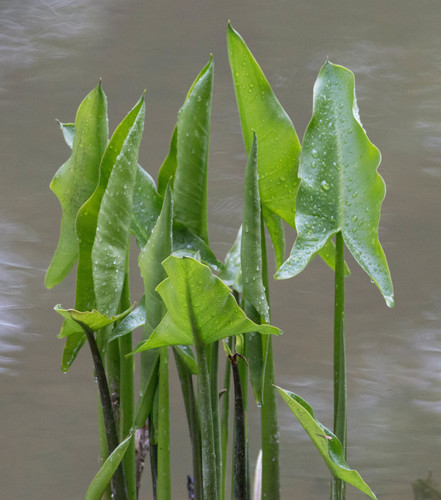
Status: globally secure; secure in Jamesland
Distribution: aquatic and emergent vegetation of beaver ponds, farm ponds, etc.
Examples: Carters Grove Plantation, James City County; Sunken Meadow Pond, Surry County
Characteristic plants: greater duckweed (Spirodela polyrhiza), Columbian watermeal (Wolffia columbiana), eastern mosquito fern (Azolla caroliniana), arrow-arum (Peltandra virginica), common spatterdock (Nuphar advena), American bur-reed (Sparganium americanum), water shield (Brasenia schreberi), Carolina fanwort (Cabomba caroliniana)
Other plants: baldcypress (Taxodium distichum), lizard’s-tail (Saururus cernuus), common water-purslane (Ludwigia palustris), alternate-leaved seedbox (Ludwigia alternifolia), common cattail (Typha latifolia), southern water-plantain (Alisma subcordatum), woolgrass (Scirpus cyperinus), rice cutgrass (Leersia oryzoides)
More info: VA DCR | NatureServe 1, 2, 3
Coastal Plain Depression Pond
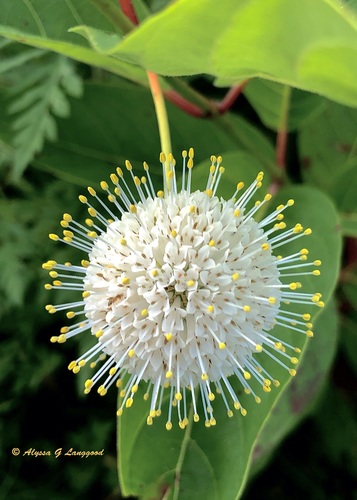
Status: globally vulnerable; imperiled in Jamesland
Distribution: seasonally flooded sinkhole depressions formed by dissolution of shell deposits
Examples: Berkeley Plantation, Charles City County; Grafton Ponds State Natural Area Preserve, York County; Newport News City Park
Characteristic plants: buttonbush (Cephalanthus occidentalis), narrow plumegrass (Erianthus strictus)
Other plants: pondspice (Litsea aestivalis), swamp loosestrife (Decodon verticillatus), cypress-swamp sedge (Carex joorii), globe-fruited seedbox (Ludwigia sphaerocarpa), warty panic grass (Kellochloa verrucosa), Harper’s fimbristylis (Fimbristylis perpusilla)
More info: VA DCR | NatureServe 1, 2, 3
Tidal Freshwater Marsh
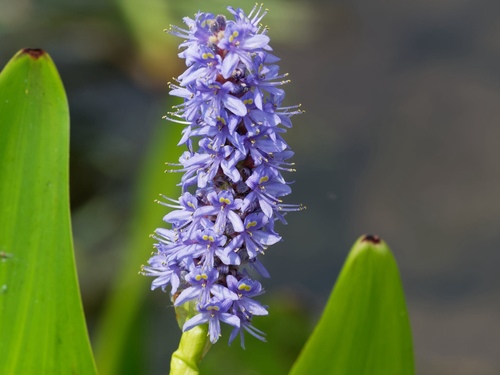
Status: globally apparently secure; apparently secure in Jamesland
Distribution: uppermost tidal reaches of rivers, usually with salt concentrations less than 0.5 parts per thousand
Examples: Ashton Creek at Point of Rocks Park, Chesterfield County; Appomattox River at Fort Clifton Park, City of Colonial Heights; Hog Neck Creek, James City County; Chickahominy River at Big Marsh Point, James City County
Characteristic plants: arrow-arum (Peltandra virginica), pickerelweed (Pontederia cordata), wild rice (Zizania aquatica), southern wild rice (Zizaniopsis miliacea)
Other plants: rice cutgrass (Leersia oryzoides), tearthumbs (Persicaria spp.), beggar-ticks (Bidens spp.), sweetflag (Acorus calamus), tidal-marsh amaranth (Amaranthus cannabinus), marsh partridge-pea (Chamaecrista fasciculata), common spatterdock (Nuphar advena)
More info: VA DCR | NatureServe 1, 2, 3, 4, 5
Tidal Brackish Marsh
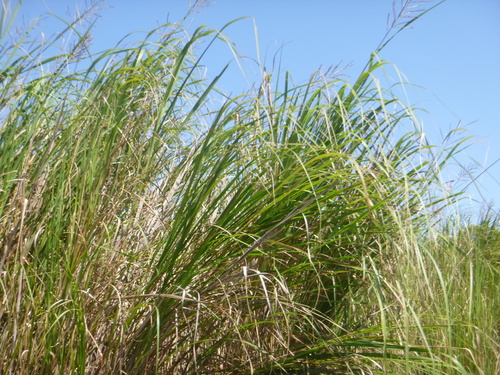
Status: globally apparently secure; apparently secure in Jamesland
Distribution: middle tidal reaches of rivers, usually with salt concentrations between 0.5 and 5 parts per thousand
Examples: Jamestown Island, James City County; College Creek in Colonial National Historical Park, James City County; Yarmouth Creek, James City County
Characteristic plants: big cordgrass (Sporobolus cynosuroides)
Other plants: saltmeadow cordgrass (Sporobolus pumilus), American three-square bulrush (Schoenoplectus americanus), dotted smartweed (Persicaria punctata), arrow-arum (Peltandra virginica), swamp rose-mallow (Hibiscus moscheutos)
More info: VA DCR | NatureServe 1, 2, 3
Riverine Salt Marsh
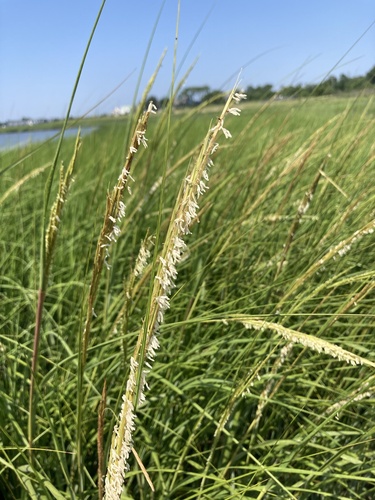
Status: globally apparently secure; vulnerable in Jamesland
Distribution: lower tidal reaches of rivers, with salt concentrations greater than 5 parts per thousand
Examples: College Creek in Colonial National Historical Park, James City County
Characteristic plants: saltmarsh cordgrass (Sporobolus alterniflorus)
Other plants: big cordgrass (Spartina cynosuroides), saltmarsh bulrush (Bolboschoenus robustus), saltgrass (Distichils spicata)
More info: VA DCR | NatureServe
High-Energy Tidal River Shore
Status: globally apparently secure; apparently secure in Jamesland
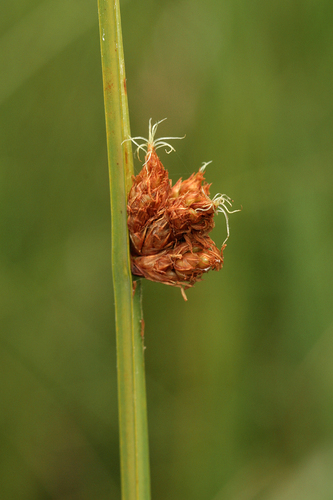
Distribution: edges of tidal rivers where impacts from waves and tides are significant
Examples: Sunken Marsh/Old Neck area, western shore of Chickahominy River, Charles City County
Characteristic plants: arrow-arum (Peltandra virginica), common threesquare (Schoenoplectus pungens), soft-stem bulrush (Schoenoplectus tabernaemontani)
Other plants: shore quillwort (Isoetes riparia), Parker’s pipewort (Eriocaulon parkeri)
More info: VA DCR | NatureServe 1, 2, 3
Tidal Aquatic Bed
Status: unknown
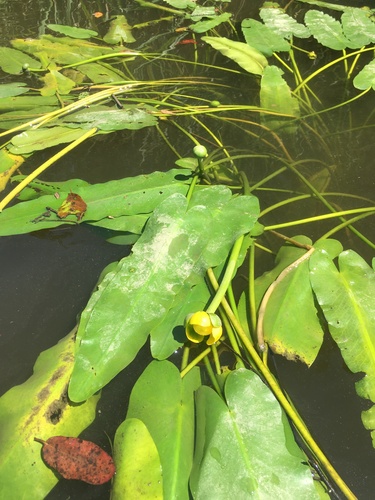
Distribution: within tidal creeks and rivers where water is too deep for emergent vegetation, but shallow enough to allow floating or submerged vegetation
Examples: Chickahominy River near Graves Landing, Charles City County
Characteristic plants: narrow-leaved spatterdock (Nuphar sagittifolia), common hornwort (Ceratophyllum demersum)
Other plants: bladderworts (Utricularia spp.), western waterweed (Elodea nuttallii), greater duckweed (Spirodela polyrrhiza), tapegrass (Vallisneria americana), wigeon-grass (Ruppia maritima), white water-lily (Nymphaea odorata)
More info: VA DCR | NatureServe 1, 2, 3